
The Truth About Trail Injuries
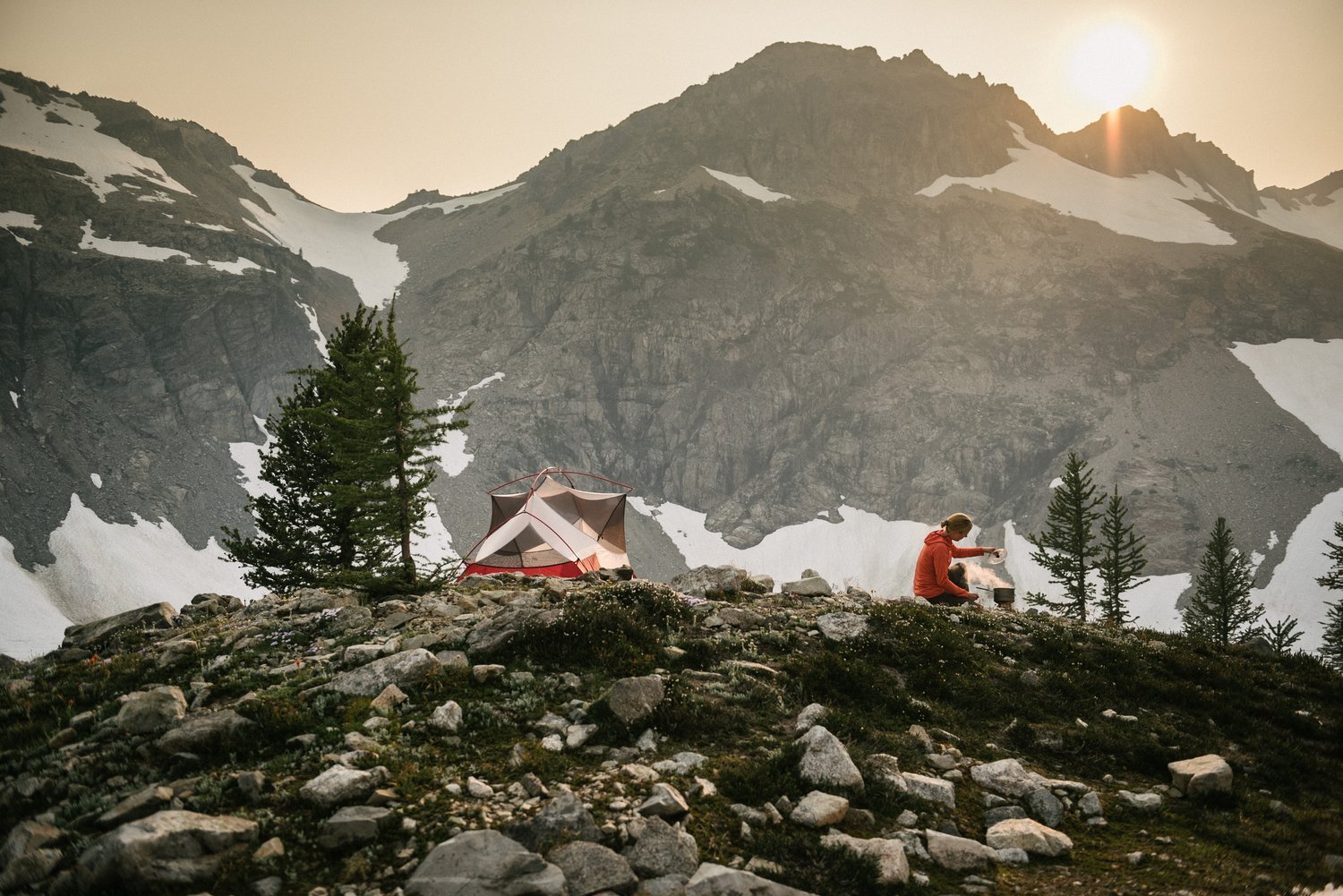
The trail doesn't know your name, your fitness level, or how your fancy your gear is. It's just terrain. What happens out there is mostly up to us, which is why it's worth understanding the risks. When something goes wrong on a hike, a backpacking trip, or a trail run, we're the ones who have to handle it. The good news is, the wilderness medicine community has been tracking this for thirty years. The picture isn't what most people expect.
Spoiler: it's not bear maulings, cliff falls or snake bites. It's blisters, GI bugs, sore knees, and the occasional fall in a talus field. If you understand the shape of that distribution, you can prevent the boring 95% of trail problems and pack smart for the rare-but-catastrophic 5%. Let's walk through what we know.
The Most Common Injuries
Blisters- the #1 cause of early trail exits in most studies. Not a bear. A quarter-sized blister on your heel.
GI illness- diarrhea from contaminated water, shared surfaces, and the communal snack bag that nobody washes their hands before reaching into.
Overuse pain- knees, hips, lower back, plantar fascia. Not dramatic trauma. Just overused joints.
Skin issues- chafing, sunburn, rashes. Skin is an organ. Your largest one. The trail will test it with UV, friction, moisture, and dirt, often all at once.
Nerve compression- pack straps cutting off circulation to your hands, boots crushing your feet into numbness. It's one reason the long-distance hiking world has quietly shifted toward trail runners over the past two decades. Lighter, more flexible footwear puts less pressure on the nerves in your feet and the data, tentatively, backs the move.
This is what gets treated 95% of the time. It's also what causes most trips to end early. Quietly and undramatically.
Trail Runners: Same Story, Faster
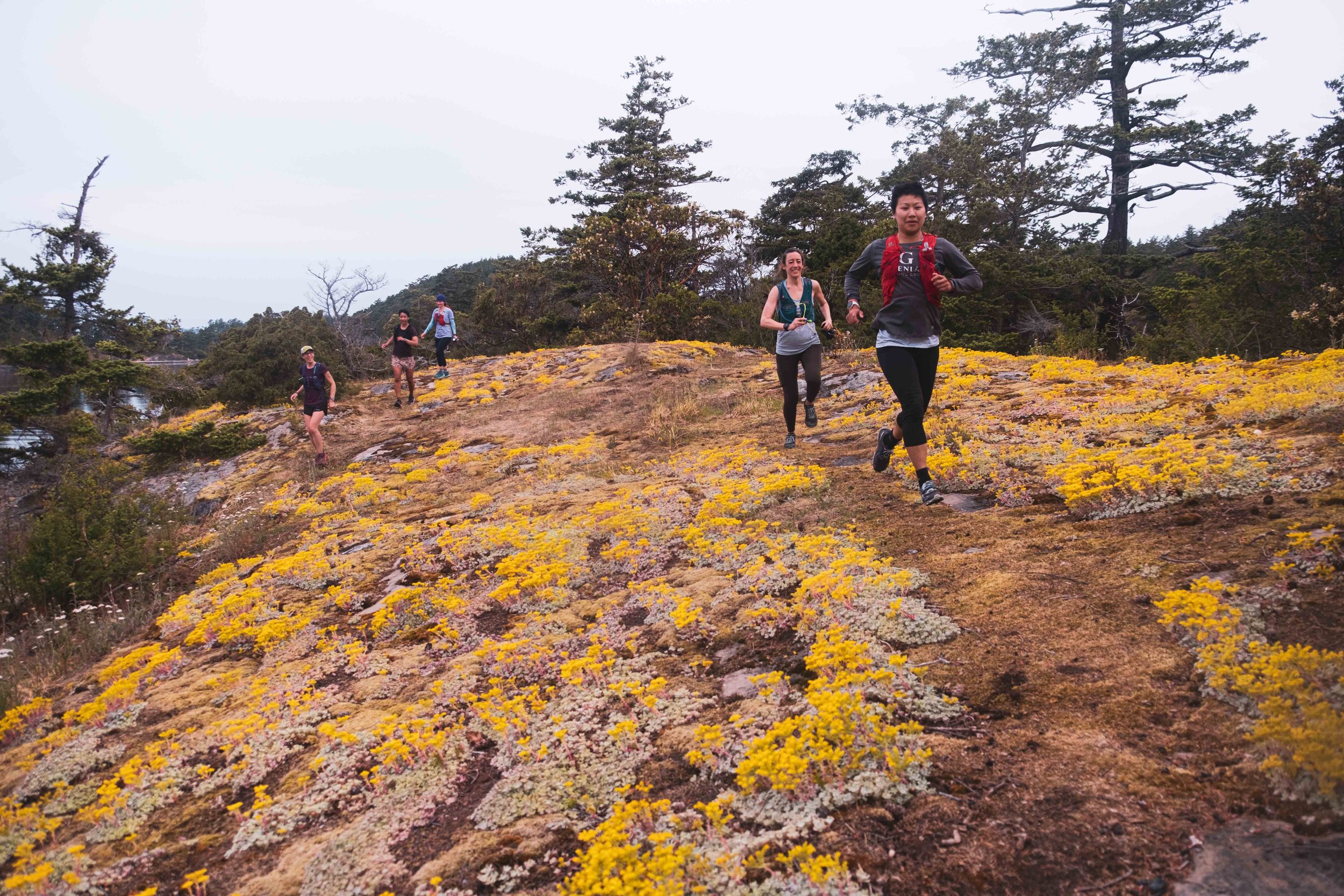
A 2021 systematic review of 21 trail running studies found that 87% of injuries landed in the lower limbs: knee (26.5%), ankle (21.6%), foot (16.7%). Blisters featured prominently, and overuse complaints dominated. (Viljoen et al., Sports Medicine, 2021)
Different sport. Same body parts.
Why People Get Rescued
Two Yosemite datasets covering nearly two decades of search and rescue operations point to the same culprits: extremity injuries and pain.

In a ten-year review of 1,912 SAR missions, hiking accounted for 48% of activations, with lower-extremity injuries as the dominant cause. (Hung & Townes, Wilderness & Environmental Medicine, 2007)
A follow-up study of 1,088 backcountry medical calls found extremity pain as the chief complaint in 53% of cases. (Boore & Bock, Wilderness & Environmental Medicine, 2013)
Dehydration shows up in nearly every major evacuation dataset, almost always alongside an injury rather than alone. It's a force multiplier: the hurt leg that might have walked out becomes a rescue when the person is exhausted and out of water. The problems compound.
The Short List of Things That Kill People
Now for the rare stuff that none of us want think about- fatalities.
A 2025 analysis of serious trail running incidents found that 82% were fatal. Of those deaths: (Viljoen et al., Wilderness & Environmental Medicine, 2025)
Cardiac arrest caused 58% of deaths from internal causes
Hypothermia caused 40% of deaths from environmental causes
Falls and blunt trauma caused 25% of environmental deaths
None of those are freak accidents. All three have a prevention conversation worth having.
What the Data Tells You to Do
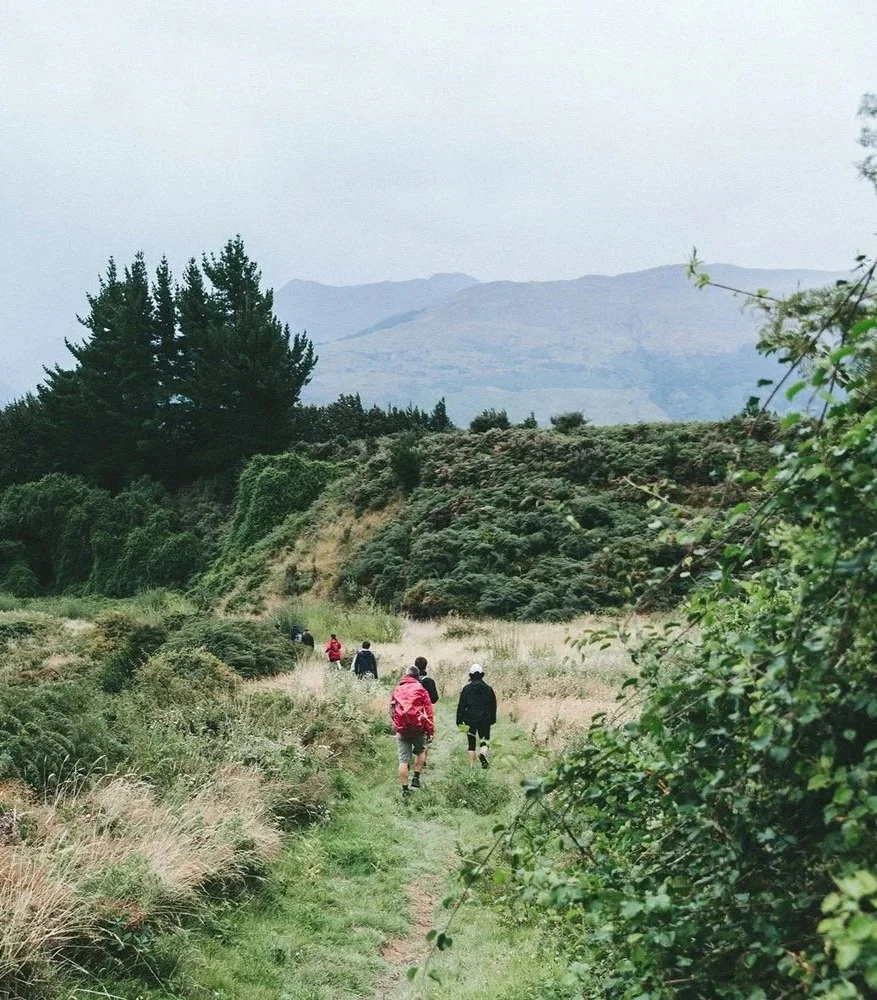
Carry less. Pack weight, especially relative to your body weight, is one of the strongest predictors of injury across multiple studies. Pre-trip fitness showed weak and inconsistent protective effects.
Take care of your feet. Preemptive taping, dry socks, broken-in shoes, foot powder, preventing hot spots. Foot care prevents more early exits than any other intervention.
Have a water plan. Research your route, pack a filter, carry backup tablets, and don’t forget the electrolytes.
Respect the weather- all of it. Hypothermia doesn't require a blizzard. It requires wet clothes, wind, and a few bad decisions. Heat kills too. Heat exhaustion sneaks up on you; heat stroke can follow fast. Stay ahead of it: drink before you're thirsty, keep electrolytes in the mix, consider a sun shirt and treat shade and rest as non-negotiables.
If you're over 40 and planning something big, talk to your doctor. Ask about a cardiac screening, a test where your heart gets monitored under physical stress in a controlled setting. Cardiac events are the leading internal cause of death on trail and are among the most preventable.
Pack for What Happens
Your first aid kit, and your training, should reflect the trail problems you’re likely to encounter.
Most of your kit: blister care, electrolytes, anti-diarrheals, ibuprofen, sunscreen, moleskin, basic wound supplies
Some of your kit: bandages, splinting materials, wound irrigation
A small but non-negotiable part: tourniquet, chest seal, hemostatic gauze, a plan for environmental emergencies
The math of staying alive on trail isn't complicated. It's just rarely what people picture when they imagine what could go wrong. Our WFA and WFR courses are built around exactly this distribution, the everyday stuff and the emergencies.
References
Boulware DR et al. Medical risks of wilderness hiking. Am J Med. 2003;114(4):288–293.
Gardner TB, Hill DR. Illness and injury among long-distance hikers on the Long Trail, Vermont. Wilderness Environ Med. 2002;13(2):131–134.
Anderson LS et al. The impact of footwear and pack weight on injury and illness among long-distance hikers. Wilderness Environ Med. 2009;20(3):250–256.
Spano SJ et al. The epidemiology and medical morbidity of long-distance backpackers on the John Muir Trail. Wilderness Environ Med. 2018;29(2):203–210.
Hung EK, Townes DA. Search and rescue in Yosemite National Park: a 10-year review. Wilderness Environ Med. 2007;18(2):111–116.
Boore SM, Bock D. Ten years of search and rescue in Yosemite National Park. Wilderness Environ Med. 2013;24(1):2–7.
Heggie TW, Heggie TM. Search and rescue in US national parks. Wilderness Environ Med. 2009;20(3):244–249.
Viljoen CT et al. Epidemiology of injury and illness among trail runners: a systematic review. Sports Med. 2021;51(5):917–943.
Viljoen C et al. Trail running safety: serious adverse events from news reports. Wilderness Environ Med. 2025 (online ahead of print).
Davis C et al. WMS practice guidelines for prevention and treatment of lightning injuries: 2014 update. Wilderness Environ Med. 2014;25(4 Suppl):S86–S95.