
Real-World Trail Tips: Feet First
Prevention, the methods that hold, and the one problem you can't tape away
This is the first post in Real-World Trail Tips, a series on the field calls trail runners actually have to make: kit, weather, and injuries the manual doesn't fully prepare you for.
Blisters end more long runs than any dramatic injury. They rarely make the highlight reel, but a hot spot at mile four becomes a limp at mile ten and a walk-out at mile fifteen. The good news is that feet are one of the few problems where field methods work well, but only if you intervene early and pick the right tool. The bad news is that interventions don’t work on a shoe that doesn't fit.

Blisters end more long runs than any dramatic injury. They rarely make the highlight reel, but a hot spot at mile four becomes a limp at mile ten and a walk-out at mile fifteen. The good news is that feet are one of the few problems where field methods work well, but only if you intervene early and pick the right tool. The bad news is that interventions don’t work on a shoe that doesn't fit.
Why blisters happen
A friction blister is a mechanical injury. Repeated shear (skin sliding back and forth against a sock and shoe) separate layers within the epidermis, and fluid fills the gap. The three ingredients are friction, moisture, and time. Moisture matters more than most runners think: damp skin has a far higher coefficient of friction than dry or very wet skin, which is why sweaty, humid miles are where blisters begin.
Prevention beats treatment
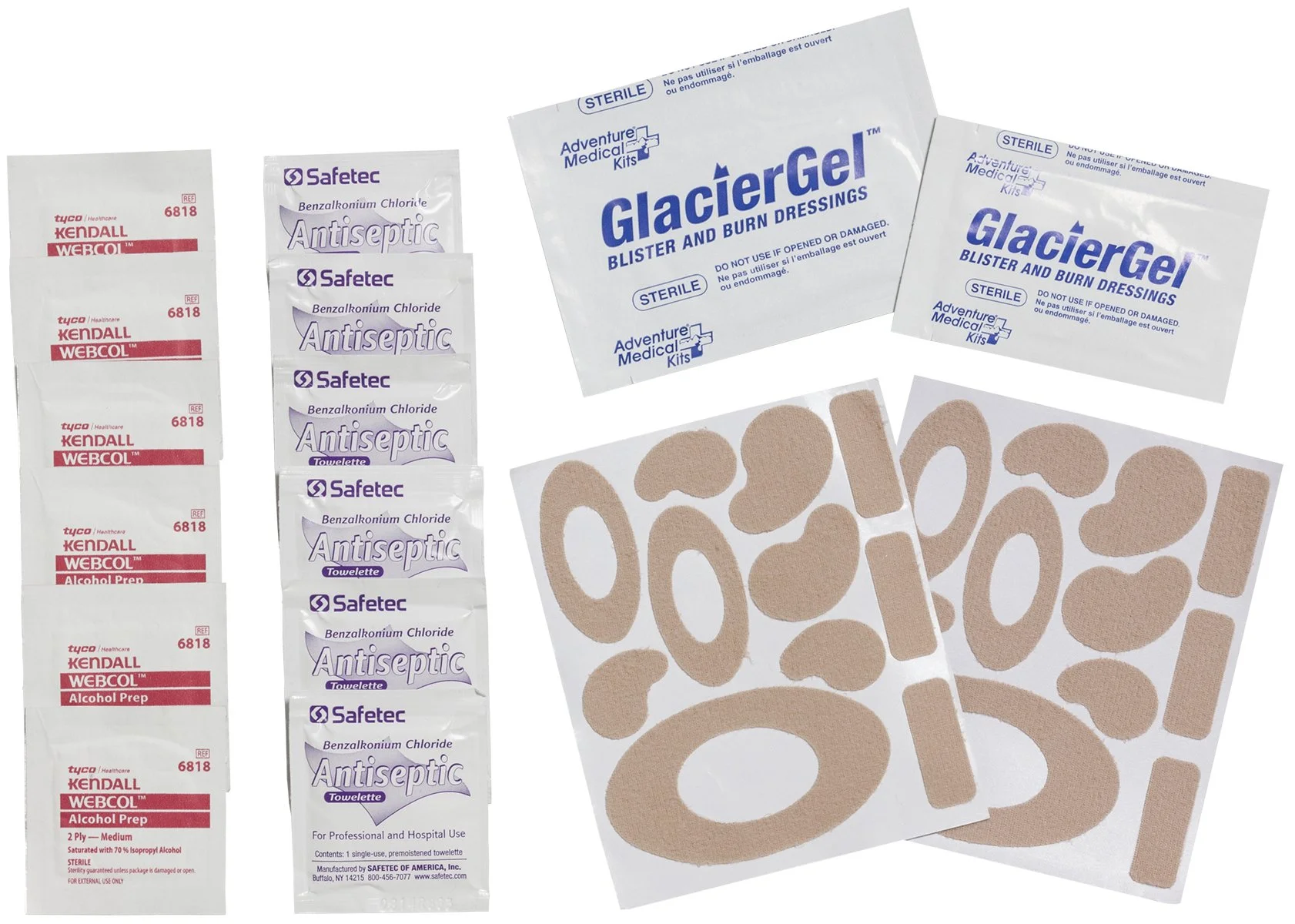
Manage moisture. Wicking synthetic or wool socks move sweat off the skin; cotton holds it against the skin. Cotton is clearly the wrong choice. Many long-distance runners swear by a thin liner sock or a double-layer sock so the layers slide against each other instead of against skin.
Cut the friction. Lubricants and anti-friction balms reduce shear in the short term; on very long days some runners prefer to tape high-risk spots. Know which your feet prefer before long runs or race day.
Pre-tape the spots you know. If you blister in the same place every time, cover it before your run with a smooth strip of Leukotape or kinesiology tape.
Toughen and test. Feet adapt to the mileage you give them, and new or long-distance shoes should be tested well before you rely on them for hours.
Catch it at the hot spot
The single highest-value habit in this whole post: stop the moment you feel a hot spot. That burning, rubbing warning is the blister announcing itself before the fluid arrives. Two minutes with a strip of tape can prevent a ruined run later. The “I'll deal with it at the next aid station” hot spot is a fully formed blister by the next aid station. Sit down, dry the skin, and cover it.
Treating a blister that's already formed
Off-load it: the donut. For a small blister (under ~5 mm) or a hot spot, cut a doughnut-shaped hole out of moleskin, felt, or a stack of tape so the ring bears the pressure and the blister sits protected in the hole. This is why “duct-tape donuts” are a trail-running staple.
Cover an intact blister: keep the roof on. Keeping the blister roof intact protects against infection. A hydrocolloid dressing (Compeed-type) cushions, seals, and creates a moist healing environment — the closest thing to a “second skin” in your kit.
Drain a big, tense blister — but leave the roof. Clean the skin, use a sterilized needle at the edge, press the fluid out gently, and leave the roof in place as a natural dressing. WMS notes this causes the least discomfort and lowers infection risk versus deroofing. Drain; don't deroof.
When the roof is already gone. If the roof is shredded or dirty, trim away the dead skin, clean it, and cover with a hydrocolloid. An open blister is now an open wound: keep it clean and watch for spreading redness, warmth, or pus.
“Roofing” and gluing the skin down. Drain, then re-adhere the loose roof to the base with a tissue adhesive so it heals flat. There are case reports of 2-octyl cyanoacrylate (medical skin glue) used on friction blisters. Two caveats: use medical-grade adhesive, not hardware-store superglue; and recognize this is higher-fuss than a hydrocolloid that does much of the same job with less risk.
The problem you can't bandage: shoes that are too tight
Here's the honest part. If your shoes are genuinely too tight, no bandaging method fixes it. Tape, donuts, hydrocolloid, and glue all treat friction blisters. A too-tight shoe is producing pressure injury, and adding a dressing only takes up more of the room you already don't have. You cannot pad your way out of a volume problem. The fix is the shoe:
Size up for distance. Feet swell over hours and miles; many long-distance runners deliberately run a half to full size larger than their street shoe.
Buy for the widest part of your foot. A roomy toe box stops the toe and side-of-foot blisters that no dressing reaches.
Fix it with the laces, not the bandage. A heel-lock (runner's loop) lacing pattern anchors the heel and stops the front-to-back slide, without cinching the whole foot tighter.
Reassess sock thickness. A thinner sock buys back a little volume; a thicker one can push a borderline-tight shoe over the edge.
If you've tried the fit fixes and a spot still blisters every run, that's worth a conversation with a knowledgeable running-shop fitter or a foot specialist — the answer is in the shoe or your gait, not a better patch.
The one thing to remember
Blisters are a solved problem right up until you ignore the hot spot. Keep the foot dry, tape what you know will rub, and stop the instant you feel heat. When one forms, off-load the small ones and cover intact ones with hydrocolloid, leaving the roof on; drain the big tense ones without deroofing. And find a better-fitting shoe.
This article is educational and is not a substitute for hands-on training or personalized medical advice. Blisters that show spreading redness, warmth, pus, or red streaking may be infected and warrant medical attention, especially if you have diabetes or circulation problems.
References
WMS Practice Guidelines for Basic Wound Management in the Austere Environment: 2014 Update.
Rushton R. The Use of Hydrocolloids in Sport and Endurance Activities; Deroofed Blisters guidance, Blister Prevention.
Friction Blisters. Sports Medicine review.
Friction Blisters on the Hands Treated Successfully Using 2-Octyl Cyanoacrylate: A Case Report.
Hydrocolloid blister plasters vs. standard plasters for foot blisters treatment: a comparative study.